START HERE
A practical room-by-room list of upgrades that make a rental safer, calmer, and easier to live in—without leaving your investment behind.
Renting does not mean living with every inconvenience exactly as you found it. The best upgrades solve a daily problem, avoid permanent construction, and can move with you to the next place.
Before you install anything: read the lease, photograph the original condition, test adhesives in a hidden area, follow weight limits, and keep every original screw or part you remove.
Security and Entry
1. Add a removable inside-door security device

A portable lock or correctly fitted security bar adds a second layer while you are home. Confirm door direction, floor clearance, and emergency-release speed before relying on one.
2. Use a renter-safe video doorbell mount
Door-mounted and no-drill brackets can hold compatible battery doorbells without screwing into the frame. Check hallway-camera rules, neighbor privacy, and whether the mount interferes with door closing.
3. Add battery-powered entry lighting
Motion-activated lights can improve a dark entry, closet, or stair area. Magnetic or freestanding options are easier to remove than aggressive adhesive strips.
Comfort and Privacy
4. Hang curtains with tension rods or no-drill brackets
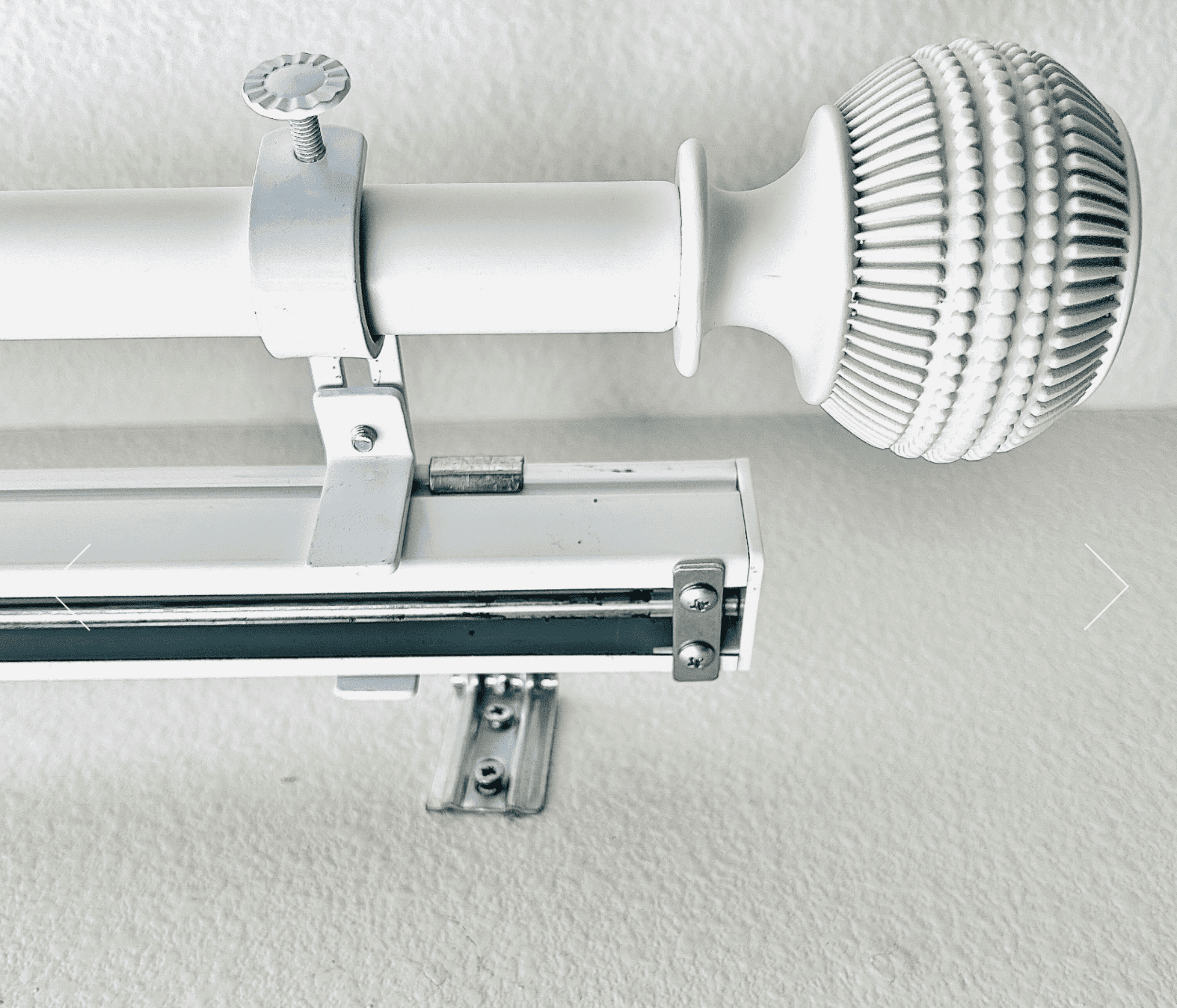
Blackout or thermal curtains can improve sleep, glare, privacy, and temperature control. Measure the opening and make sure the mounting method can safely hold the fabric’s weight.
5. Apply removable privacy film
Static-cling window film adds daytime privacy without adhesive. It is especially useful for bathrooms and ground-floor windows, although nighttime privacy still depends on lighting and film type.
6. Add rugs and washable pads for noise control
Large rugs soften hard rooms and reduce impact noise. Use floor-safe pads—some rubber backings can react with vinyl or finished wood over time.
7. Use a portable air purifier sized for the room
A correctly sized purifier can help with airborne particles, smoke, and pet dander. Compare replacement-filter cost and noise at the speed you will actually use.
Storage and Organization
8. Put unused door space to work

Over-the-door organizers can add pantry, cleaning, shoe, or bathroom storage. Add felt pads where metal contacts the door and confirm there is enough clearance to close it.
9. Build upward with freestanding shelving

Tall shelving uses vertical space without built-ins. Follow anti-tip guidance; if wall anchoring is required for safety, get landlord approval rather than skipping it.
10. Standardize under-bed storage

Low, lidded containers turn unused space into seasonal storage and make moving easier. Measure bed clearance and leave airflow around items that can trap moisture.
11. Add a rolling utility cart
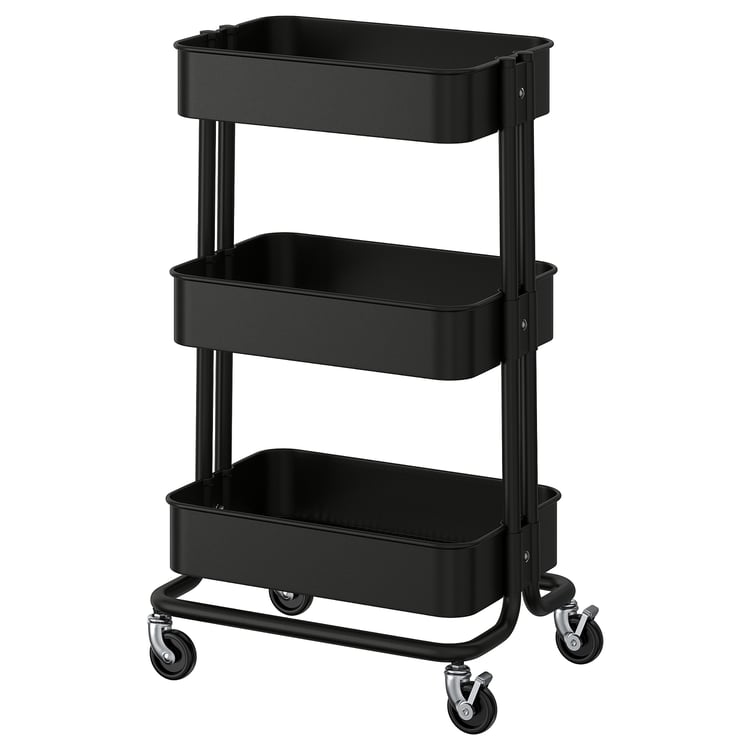
A narrow cart can become a pantry, coffee station, bathroom shelf, craft organizer, or movable work surface—and it remains useful in a completely different floor plan.
Technology and Daily Convenience
12. Improve Wi-Fi placement before buying equipment
Move the router into the open, raise it off the floor, and keep it away from metal and dense obstructions. If coverage still fails, a mesh system is usually more portable than running new cable through a rental.
13. Add plug-in smart lighting

Smart bulbs and plug-in lamps add schedules, dimming, and automation without replacing switches. Save the original bulbs and avoid devices that require modifying the fixture.
14. Create charging where you actually need it
A quality surge protector or clamped desk charging station can fix awkward outlet placement. Do not daisy-chain power strips or conceal cords where heat can build up.
15. Use removable cable management
Reusable ties, floor cord covers, and gently removable clips make a setup safer and easier to move. Test adhesive clips first and remove them according to the manufacturer’s directions.
Choose Upgrades That Earn Their Space
Before buying, ask three questions: Does this solve a problem I notice every week? Can I install and remove it safely? Will it still be useful in a different home? If all three answers are yes, it is probably a better renter upgrade than something designed only for the current floor plan.