In a small rental, the easiest storage gain may come from using space you already have: the back of a door, the area under a bed, a narrow corner, or the top of a cabinet. Before buying organizers, measure the space and decide what needs to be stored there. That prevents bulky products from becoming clutter themselves.
Use the floor space you already own
- Under-bed bins: Measure clearance from floor to bed frame, including any center support. Lidded containers help keep stored items cleaner; soft bags can fit irregular spaces.
- Stackable shelf risers: These can create a second level inside a cabinet or closet without attaching anything to the wall. Check shelf depth and weight capacity.
- Freestanding narrow shelves: A slim unit can use a gap beside a refrigerator, desk, or wardrobe. Secure tall furniture according to manufacturer guidance and building rules; do not assume a freestanding item is safe from tipping.
- Over-door organizers: Measure door thickness and clearance on both sides. Check whether the hooks interfere with closing, latching, or the door’s fire-rated function.
- Furniture with storage: Ottomans, benches, and bed drawers can replace separate containers. Check dimensions and whether drawers can open fully in the room layout.
Try removable hanging carefully
Adhesive hooks and strips can be useful for lightweight items on compatible surfaces, but capacity depends on the product and the wall finish. Follow the exact surface preparation, weight rating, spacing, and cure-time directions. Avoid hanging fragile or heavy objects over beds, seating, or walkways. If the surface is textured, damp, dusty, or recently painted, the product may not hold as expected.
Make closets work harder
Use matching hangers to reduce wasted width, add a second hanging rod only if the closet supports it, and group seasonal items in labeled bins. A small shelf divider can keep folded clothes upright. Keep heavier items low and leave access to vents, electrical panels, and plumbing shutoffs.
Plan before you buy
- Measure the exact width, depth, and height of the target space.
- Check doors, drawers, outlets, vents, and walking paths.
- Choose storage that can be reused after your next move.
- Read load limits and anchoring instructions, especially for tall furniture.
- Keep a small margin for access; a full cabinet is harder to use than an organized one.
The takeaway
Start with a quick inventory and a tape measure. Under-bed storage, cabinet risers, narrow freestanding units, and carefully chosen over-door organizers often add capacity without a renovation. Use adhesive products only within their instructions, and prioritize stability and clear exits over squeezing in one more container.
Compare twelve researched storage options
Our four product guides cover different apartment storage needs. Each identifies the exact model, explains owner feedback and fit limits, and links to the source. These are research-based comparisons, not our own hands-on tests. A high average rating does not establish that a product is defect-free.

Door and closet storage: two Brightroom shoe organizers plus an IKEA SKUBB option for folded clothes.
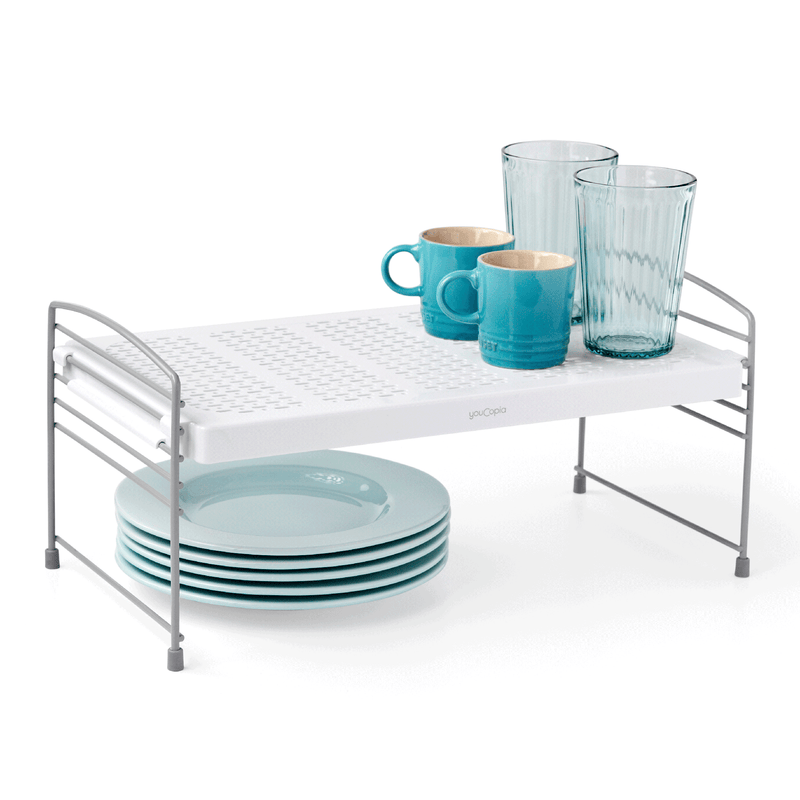
Cabinet storage: an OXO turntable, YouCopia adjustable shelf and bakeware rack, and a narrow Brightroom bin.
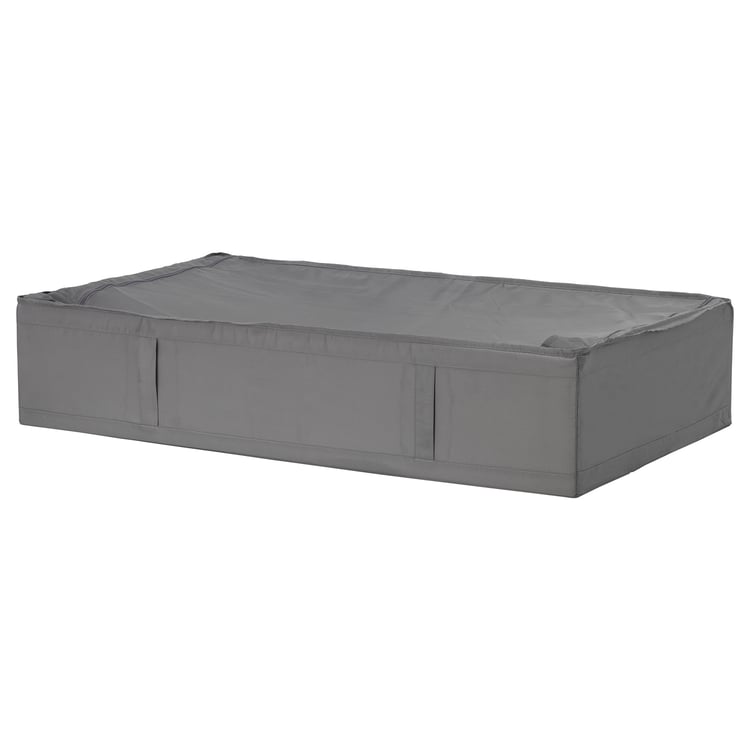
Under-bed storage: the IKEA SKUBB case with its handle warning, compared with a rigid Sterilite HingeLID box.
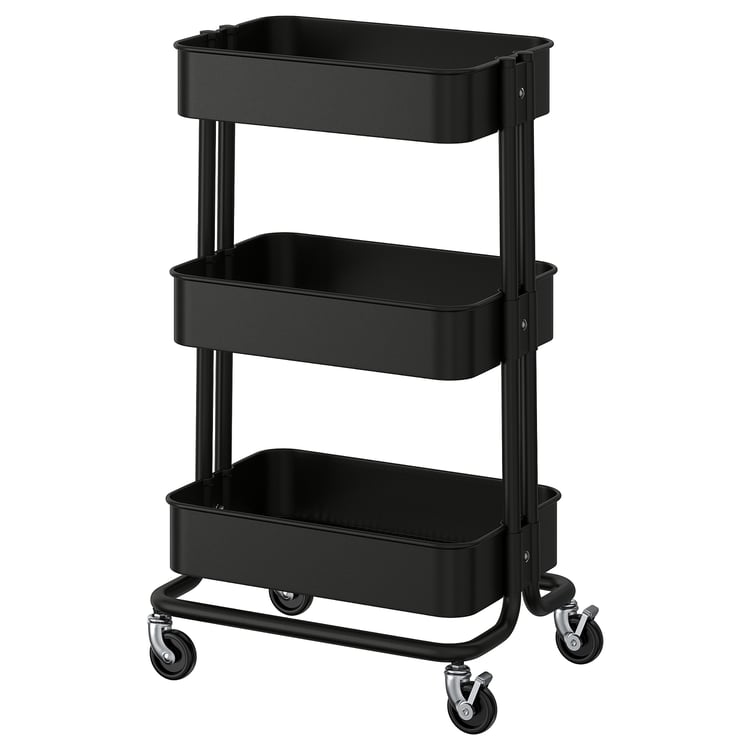
Narrow freestanding storage: IKEA RÅSKOG and Brightroom carts, plus IKEA VESKEN only where its required wall anchoring can be installed.
Wall-fixing check: VESKEN is not a no-drill option. Follow its anchoring instructions and obtain any permission required by your lease. If that installation is unsuitable, choose another approach.