When you rent, improving security means working within the door, windows, lease, and building rules you already have. Start with simple, reversible steps, and treat add-on devices as supplements—not substitutes for working locks, safe building practices, or emergency planning.
Start with the basics
Check that the entry door closes and latches smoothly, the deadbolt works, and the strike plate is firmly attached. If anything is loose, damaged, or difficult to lock, report it to the landlord or property manager in writing. Keep a dated photo of the issue and the request.
Before adding a device, read your lease and ask for written permission when an installation changes hardware, attaches to a shared surface, or affects the exterior of the building. Avoid changing locks or making permanent alterations without approval.
Reversible options to consider
- Door and window sensors: Battery-powered contact sensors can alert you when an opening is disturbed. Check that the adhesive is appropriate for the surface and removable, and test it before relying on it.
- Portable door alarms: Some devices sound locally when a door is opened. Confirm that the model fits your door and does not block a required exit or interfere with other residents.
- Motion-activated indoor lighting: A plug-in or battery light can help illuminate a dark entry or hallway inside your unit. Keep cords out of walking paths.
- Indoor cameras: Place cameras only inside your private space and aim them so they do not record neighbors, shared hallways, or private areas. Review the device’s storage, account-security, and notification settings.
- Window locks and alarms: Ask the property manager to repair a damaged lock. Add-on alarms may provide a notification, but they do not make a weak window secure.
What to skip or verify first
Be cautious with adhesive locks, wedges, or braces that could delay a quick exit. Never block a door, window, or required fire escape. Do not assume that a product marketed as “no damage” will release cleanly from every paint, trim, or glass surface; follow the maker’s instructions and test in an inconspicuous spot when appropriate.
A simple renter’s checklist
- Check your lease and building rules.
- Ask the landlord to fix any existing lock or door problem.
- Choose a device that fits your actual door or window.
- Keep exits clear and preserve access for emergencies.
- Secure device accounts with unique passwords and available two-factor authentication.
- Remove temporary products carefully at move-out and keep original hardware.
The takeaway
The most useful renter-friendly security setup is the one that fits the unit, follows the lease, protects privacy, and does not interfere with emergency egress. If a door or window does not lock properly, report the defect rather than relying on a gadget to compensate for it.
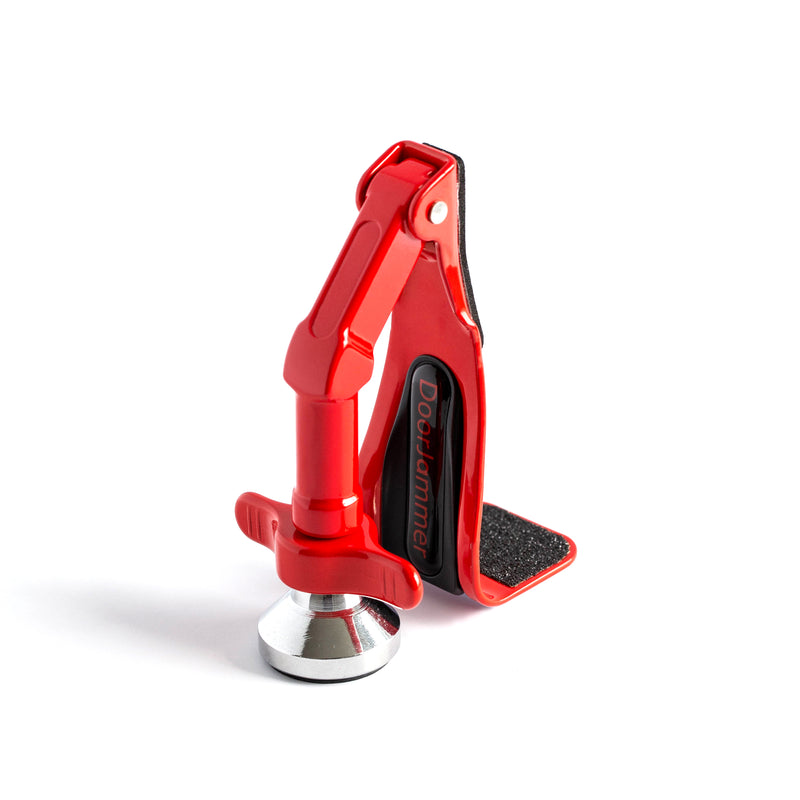
Compare No-Drill Door Devices
Before buying a portable lock or brace, compare the fit and installation limits of Addalock, DoorJammer, and SABRE’s adjustable bar. Our research-based comparison explains door direction, floor clearance, removal, and manufacturer instructions.